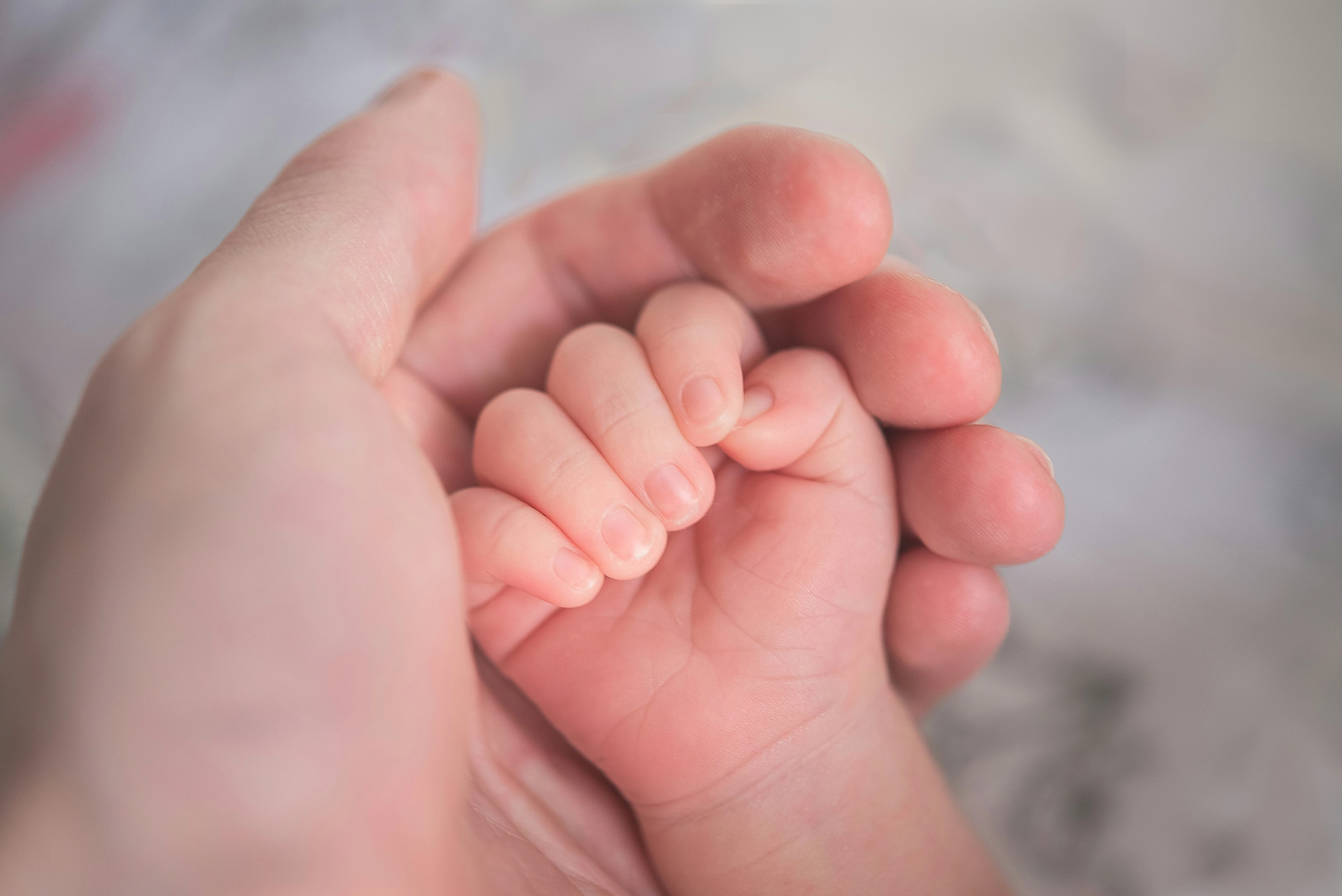
Your baby's first year is full of incredible physical changes. One day you're holding a tiny newborn who can barely lift their head, and before you know it, they're reaching for toys, grabbing your fingers, sitting, crawling, pulling up, and exploring the world around them.
At The Happy Start, we believe these little moments are more than milestones—they're opportunities for babies to build strength, coordination, confidence, and independence through everyday play.
Two important parts of this journey are gross motor development, like tummy time and head control, and fine motor development, like reaching and grasping. And the good news? You don't need complicated equipment or elaborate activities to support either one.
When Your Baby Hates Tummy Time
Tummy time is an important part of early motor development because it gives babies opportunities to strengthen the muscles in their neck, shoulders, arms, and upper body.
But let's be honest: not every baby is a fan.
If your baby starts crying the moment they touch the floor, don't panic. Tummy time doesn't always have to look like a baby lying on a play mat.
Try these simple alternatives:
Chest-to-Chest
Lean back comfortably and place your baby tummy-down on your chest. Talk, sing, smile, and make eye contact to encourage them to lift and turn their head toward you.
For many babies, this feels more like cuddling than exercise.
Across Your Lap
Place your baby tummy-down across your legs while you're sitting comfortably. Support them as needed and encourage them to lift their head by talking or placing an interesting object in front of them.
The Football Hold
Hold your baby securely across your forearm with their tummy facing down while supporting their head and body. This provides another opportunity to practice head and neck control while being close to you.
A Little Extra Support
During supervised floor tummy time, a small rolled towel or blanket under your baby's upper chest can provide additional support as they work on lifting their head and chest.
The goal isn't to force your baby to tolerate tummy time for a certain amount of time. It's to give them frequent, positive opportunities to move and strengthen their body.
If they need a break, take one. Pick them up, cuddle them, and try again later.
From Reaching to Grasping
While your baby is developing stronger neck and shoulder muscles, their hands are going through an incredible transformation, too.
Early on, babies begin watching and tracking objects. Then they start reaching toward things that catch their attention. Eventually, they learn to grasp objects with their whole hand, known as a palmar grasp.
Over time, their movements become more precise. By the later part of the first year, babies begin developing a pincer grasp, using their thumb and index finger to pick up smaller objects.
That progression—from reaching to grasping to precise finger movements—is an important part of fine motor development.
Simple Ways to Encourage Fine Motor Skills
You don't need expensive toys to help your baby practice.
Try:
Place a toy within reach. Let your baby look, reach, and work toward an age-appropriate toy rather than immediately handing it to them.
Explore textures. Safe, baby-friendly objects with different textures can encourage babies to touch, hold, and explore.
Practice transferring. Once your baby can grasp objects, give them opportunities to move a toy from one hand to the other.
Explore containers. When developmentally appropriate, placing large, baby-safe objects into a container and taking them back out can encourage grasping, releasing, and coordination.
Make everyday moments count. Reading, getting dressed, playing on the floor, and supervised mealtime exploration can all provide opportunities to practice developing motor skills.
Every Baby Has Their Own Timeline
It's important to remember that developmental milestones don't happen on exactly the same schedule for every baby.
One baby might love reaching for everything in sight but dislike tummy time. Another might spend weeks perfecting rolling before becoming interested in sitting or crawling.
That's okay.
The goal isn't to rush your baby toward the next milestone. It's to provide safe, age-appropriate opportunities to move, explore, practice, and connect.
Making Developmental Play Easier
At The Happy Start, we created our Developmental Milestone Activity Cards to help parents and caregivers know what to do during those everyday moments of play.
Designed with pediatric occupational therapy expertise, the cards include 40+ activities for babies from birth through 12 months, covering:
- Gross motor development
- Fine motor development
- Sensory development
- Cognitive and communication skills
- Social-emotional development
Activities progress alongside your baby—from tummy time and early movement to reaching, grasping, sitting, crawling, standing, and more.
Each card includes the typical age range, area of development, why the activity is important, simple instructions, and supplies when needed.
So instead of wondering, "What should we do with our baby today?" you can simply pick a card and start playing.
Explore The Happy Start Developmental Milestone Activity Cards on Amazon:
https://www.amazon.com/Happy-Start-Activity-Cards-Milestone/dp/B0H1P2HC3J
The Little Moments Become Big Milestones
A baby lifting their head during tummy time might not seem like a huge accomplishment.
Neither does reaching for a toy.
Or grabbing your finger.
Or transferring a toy from one hand to the other.
But each of these little moments is helping build the foundation for what's coming next.
At The Happy Start, we believe development doesn't have to be complicated. Sometimes the best opportunities are the simplest ones—getting down on the floor, holding your baby close, offering something interesting to reach for, and giving them the time and space to explore.
Every movement matters. Every milestone is worth celebrating. And every happy start begins with a moment of play.